Best British True Crime Books and Audiobooks (With the Podcasts to Pair Them With)
Six British true crime books and audiobooks, from Whitechapel to Tokyo to Belfast, each matched to a UK podcast that covers the same ground.
This page contains affiliate links. If you buy something after clicking one, we may earn a commission at no extra cost to you. It doesn't affect which podcasts, books or services we cover. As an Amazon Associate, ListenTrueCrime earns from qualifying purchases. More about affiliate links
Britain has a long and complicated relationship with true crime. The Victorian murder pamphlet, the Sunday paper trial report and the 1960s paperback all fed an appetite that podcasts now serve in a new form. What the best British true crime books offer, and podcasts often cannot, is room: for the victims, for the institutions that failed, and for the places the story took place.
This is a short, selective list for listeners who want to read or hear something British next. Each entry includes who it suits, where it has problems, and, where a genuine connection exists, a podcast on the site that covers the same subject. Some of these cases involve the deaths of children and young women. We describe them factually and without detail beyond what is needed to understand the book.
A note on the links. Links to Amazon UK are affiliate links, and we earn a commission if you buy through them. That never affects which podcasts we review or how we rate them, and we have not rated these books. Where a book has a serious flaw, we say so. See our affiliate policy.
Whitechapel, 1888
The Five — Hallie Rubenhold
Most accounts of the Whitechapel murders of 1888 are about the man who was never identified. Rubenhold's book is about the five women he is held to have killed, their lives before 1888 and how they came to be on those streets. It is a history of poverty, housing and women's work in Victorian London, and it deliberately refuses to make the killer the centre.
That choice is why the book matters, and it is also why it has been debated: some historians dispute parts of Rubenhold's reading of the evidence about the women's lives, as often happens with a long-contested subject. Read it as a serious argument, not the last word.
It works well on audio because the structure follows each woman in turn. Pair it with RedHanded, a UK podcast that we rate a Must listen for listeners who want analysis of gender and power in crime, with a binge factor of 7.
Tokyo, 2000
People Who Eat Darkness — Richard Lloyd Parry
Lloyd Parry was The Times's Tokyo correspondent when Lucie Blackman, a young British woman working in the city, disappeared in 2000. His book follows the investigation, the Japanese courts and the family's long campaign for answers. It is a foreign correspondent's account of a British case, and it is as much about Japan as about Britain.
It is long and unhurried, and it is a book to settle into rather than binge. If you want something shorter on the same theme of a missing British woman abroad, browse our missing persons podcasts.
The Moors murders
Beyond Belief — Emlyn Williams
Williams, the Welsh playwright, wrote this account soon after the 1966 trial of Ian Brady and Myra Hindley. It is an early example of the modern true crime book, and it is also a document of its time, written before much later information about the case emerged. The victims were children, and the case remains one of the most disturbing in British criminal history.
We include it because it is historically important, not because it is an easy or comfortable read. Many readers will prefer a more recent account; this is the earliest of them. We do not have a podcast on the site on this case, and we would rather leave it unpaired than guess.
A modern British investigation
The Missing Cryptoqueen — Jamie Bartlett
Bartlett, a BBC journalist, tracks Dr Ruja Ignatova, who persuaded millions of people to invest in the OneCoin cryptocurrency before vanishing in 2017. The book follows the same story as his podcast, with more detail and more of the people who lost money.
This is the easiest book here to follow and the best entry point if you are new to British true crime reading. Pair it with the BBC podcast of the same name, which we rate a Must listen with a binge factor of 9 across 25 episodes of around 25 to 35 minutes. For the case itself, see OneCoin and Ruja Ignatova, and for similar shows our best fraud and scam podcasts.
State secrets in Northern Ireland
Stakeknife: Britain's Secret Agents in Ireland — Martin Ingram and Greg Harkin
The book examines the alleged agent known as Stakeknife, said to have been an informer inside the IRA run by British intelligence. The man named denied the allegations, and the central question is what the state knew and allowed. It is a contested subject, written by authors with their own sources and perspective, and best read with that in mind.
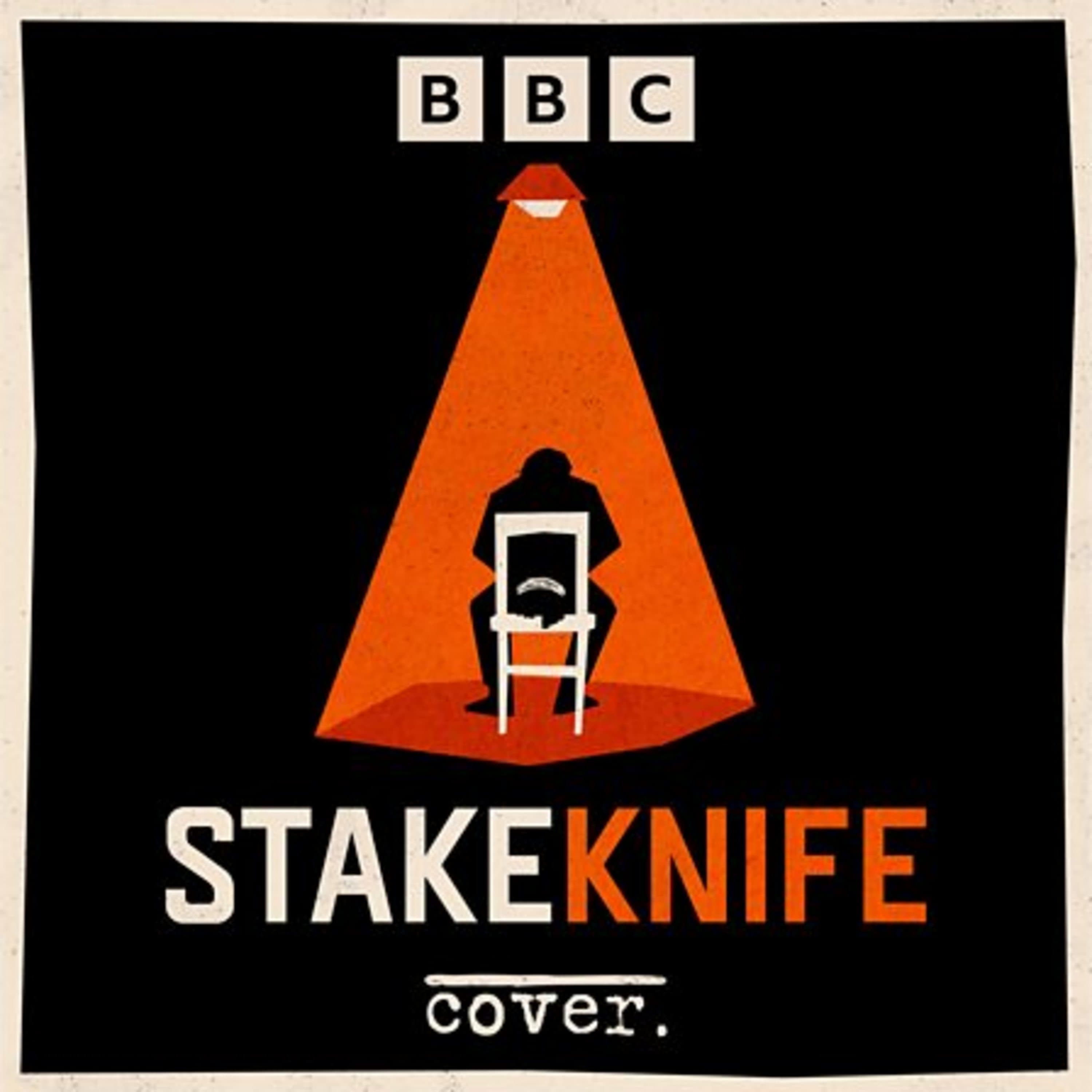
Pair it with the BBC's Stakeknife, a 14-episode series we rate a Must listen with a binge factor of 8. For more in this vein, see the best BBC true crime podcasts and the Northern Ireland true crime podcast, which we list as good if UK true crime interests you.
A book to read with open eyes
The Jigsaw Man — Paul Britton
Britton is a British psychologist who worked with police in the 1980s and 1990s, and his book is an account of that work. Some of it, notably on the Rachel Nickell investigation, was later heavily criticised, and the book is best read alongside that criticism, not instead of it. It is a useful window into how offender profiling was used in Britain, and a reminder of what happens when it is trusted too much.
If you want the contemporary equivalent, Bed of Lies is The Telegraph's investigative series on institutional deception, rated good if cover-up cases interest you. It is not about profiling, but it asks a similar question: what do institutions do with a convenient story?
Why British true crime reads differently
British true crime is shaped by the law in ways that listeners from elsewhere often notice. While criminal proceedings are active, UK contempt of court rules sharply limit what the media can say about a case, which is why British podcasts and books on a trial tend to arrive after the verdict, and why you will rarely hear speculation about a live case on the BBC. That caution has costs and benefits. You wait longer for the story, but the accounts that do arrive are usually checked carefully, and the cases often end in an inquest, an appeal or a public inquiry that adds a second layer of record.
It also explains why so many of the strongest British books and series are about institutions rather than individuals: police forces that missed warnings, agencies that kept secrets, regulators that failed. Stakeknife and The Jigsaw Man are both, in different ways, about what happens when the state or an expert is trusted too much. If that is the kind of true crime you like, it is a good lens for choosing what to read next.
How we would approach this list
If you are not sure where to start, there are three sensible routes.
- Start with the podcast, then read. [The Missing Cryptoqueen](/podcasts/the-missing-cryptoqueen) and Stakeknife are both serialised BBC series that you can finish in a week, and each gives you a reason to read the book afterwards.
- Start with the history. The Five is the strongest argument here that true crime can be about people, not just crimes.
- Start with the criticism. If you would like to understand how true crime can go wrong, read The Jigsaw Man and then listen to the ethics of true crime podcasting piece.
For more British listening, our best British true crime podcasts guide covers the shows, and our UK true crime page lists them all. If you prefer a wider reading list, try the best true crime books 2026, or for the audio side see our best true crime audiobooks on Audible.
Frequently Asked Questions
Podcasts mentioned in this article

Bed of Lies
Investigative podcast series from The Telegraph; series 4, Missing Debbie, began on 23 October 2026.

Matched with a Predator
BBC Disclosure's investigation into a predator who used dating apps to target and abuse women — the 2026 Best Serialised Podcast winner.

RedHanded
True crime fans who want their listening to come with critical analysis of gender and power; UK and Ireland listeners; anyone who feels the mainstream genre ignores social context.
Stakeknife
BBC's Cover strand investigates Freddie Scappaticci, the alleged IRA double agent, and the British government's role in allowing murders to protect their asset.

The Missing Cryptoqueen
BBC journalist Jamie Bartlett tracks down Dr Ruja Ignatova, who persuaded millions to invest in OneCoin before vanishing without a trace.
Newsletter
Your weekly true crime briefing
New podcast reviews, hidden gems, and community picks. No filler.
By subscribing you agree to receive the weekly ListenTrueCrime newsletter. We will email you a link to confirm. See our Privacy Policy. Unsubscribe anytime.
More from our blog
Listening Guides
Best Serial Killer Books and Audiobooks: Where to Start, and What to Listen To Alongside
Listening Guides
Best True Crime Audiobooks on Audible: A Podcast Listener's Guide
Listening Guides